
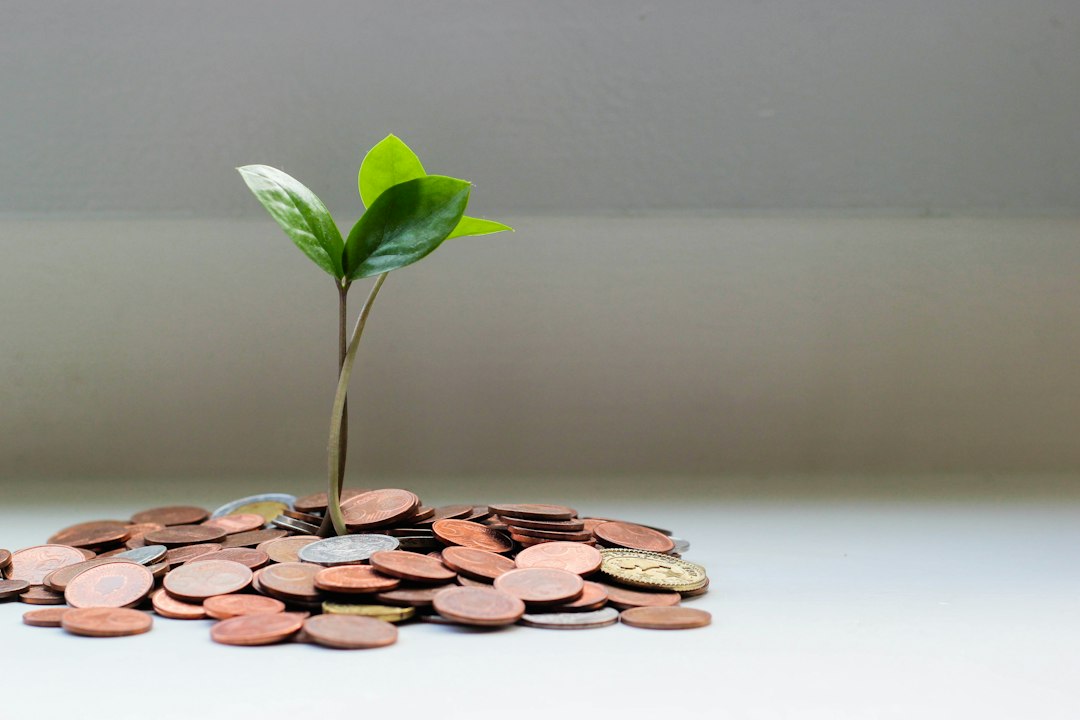
In the relentless pursuit of expansion, many business owners find themselves trapped in a cycle of frantic activity. The pressure to scale, often fueled by market trends or investor expectations, can lead to a dangerous disregard for the underlying health of the enterprise. This phenomenon, frequently termed ‘growth at all costs,’ has resulted in the collapse of countless promising ventures that prioritized speed over stability. Navigating the path to a successful, enduring business requires a fundamental shift in perspective: moving from reckless expansion to sustainable growth.
Defining Sustainable Growth vs. Reckless Scaling
It is crucial to distinguish between the two concepts. Reckless scaling occurs when a company increases its revenue, headcount, or infrastructure faster than its core business can support. This often leads to a ‘vampire’ effect, where the growing entity drains the cash reserves of the parent company or the founders, leaving no room for error or weathering market storms.
In contrast, sustainable growth is organic and self-reinforcing. It is driven by an increase in customer retention, repeat purchases, or improved unit economics. When a business grows sustainably, it builds a foundation that can withstand economic downturns, operational bottlenecks, and unexpected market shifts. The goal is not to stop growing, but to ensure that every step of expansion is supported by a robust, resilient infrastructure.
The Foundation: Operational Efficiency Before Expansion
Before a business can scale effectively, it must first master its current operations. Attempting to expand while the foundation is shaky is akin to building a second story on a house with a cracked foundation. The most effective strategy for sustainable growth is to optimize the existing machine before adding new layers.
Streamlining Processes and Reducing Friction
As a business grows, manual processes become bottlenecks. A small team can handle 50 orders a day; the same team cannot handle 500 without systemic changes. Sustainable growth requires automating repetitive tasks, standardizing workflows, and implementing systems that can handle increased volume without a proportional increase in labor costs.
For example, a retail business might transition from manual inventory tracking to an integrated point-of-sale system that syncs with suppliers. This reduces the risk of stockouts and overstocking, ensuring that customer demand is met consistently. By removing friction, the business can handle more customers without hiring more staff immediately, preserving cash flow for future strategic investments.
Mastering Unit Economics
Revenue growth is vanity; profit is sanity. A company can have millions in revenue but still be on the brink of failure if its unit economics—the profit made from a single unit of product or service—are not healthy. Sustainable growth demands a deep dive into the cost structure of every transaction.
Business owners must analyze the Customer Acquisition Cost (CAC) against the Lifetime Value (LTV) of a customer. A sustainable model typically requires an LTV to CAC ratio of at least 3:1. If acquiring a new customer costs more than they will ever generate in profit, the business is bleeding money with every new sale. Before expanding marketing budgets or hiring sales teams, the business must ensure that the underlying economics of the sale are profitable.
Financial Discipline: The Fuel for Long-Term Success
Financial discipline is the bedrock of sustainable growth. It involves managing cash flow, capital reserves, and debt levels with precision. While growth requires capital, indiscriminate borrowing can destroy a business’s long-term viability.
Preserving Cash Reserves
Many founders make the mistake of spending all available cash on the next big thing—new equipment, a larger office, or aggressive marketing. However, a healthy business maintains a cash reserve equivalent to at least three to six months of operating expenses. This buffer acts as a safety net during unexpected downturns, supply chain disruptions, or slower-than-anticipated sales periods.
By prioritizing cash retention, a business ensures that it can continue operations even when revenue fluctuates. This stability allows the company to seize opportunities when they arise, rather than being forced to cut costs or seek desperate financing during a crisis.
Strategic Use of Debt and Equity
While debt can be a powerful tool for growth, it must be used strategically. Relying on high-interest loans to fund expansion that does not generate immediate cash flow can lead to a spiral of debt. Sustainable growth strategies often involve using debt to fund assets that will generate future revenue, such as inventory for a seasonal spike or capital for a proven product launch.
Equity financing, on the other hand, dilutes ownership but does not require monthly repayments. This can be a suitable option for businesses that are in a high-growth phase but lack the collateral for traditional loans. However, founders must weigh the cost of dilution against the need for capital, ensuring that they are not giving away too much control too early in the process.
Talent Management: Building a Resilient Team
People are the engine of a business, and they are the most vulnerable link in the chain. Sustainable growth requires a team that is not just larger, but smarter and more capable. Hiring too quickly, especially for roles that are not critical to the immediate future, can lead to culture erosion and high turnover.
Hiring for Culture and Competency
When scaling, it is tempting to hire anyone who can fill a seat. However, sustainable growth requires hiring individuals who align with the company’s core values and can adapt to a changing environment. This means investing time in rigorous»;interview processes and perhaps using platforms that help assess cultural fit and soft skills.
Furthermore, the business should focus on building a core team of versatile leaders who can handle multiple responsibilities. This reduces the reliance on a single point of failure and allows the organization to pivot quickly if market conditions change. As the company grows, it can then hire specialized roles to extra support, knowing that the core team is strong enough to manage the overall direction.
Investing in Training and Development
Training is an investment in the future of the business. A team that is constantly learning and upskilling can adapt to new technologies and market demands more effectively than one that is static. Sustainable growth strategies often include a portion of elles or revenue dedicated to employee development, ensuring that the workforce remains competitive and motivated.
Customer-Centric Expansion道德
Customer-centric growth is about expanding in ways that provide genuine value to the customer. This means listening to feedback, understanding pain points, and delivering solutions that solve real problems. When a business focuses on what customers want, rather than what they think they want, the growth is more sustainable.
Iterative Product Development
Developing products based on market research and customer feedback ensures that the business is building something people actually want. This approach reduces the risk of launching a product that fails to gain traction. By iterating on the product based on real-world usage, the business can refine its offering and improve обеща
Building a Resilient Brand
A strong brand is a moat that protects a business from competitors. It is built on trust, reputation, and consistent delivery of value. Sustainable growth strategies prioritize brand building over short-term sales tactics.
Investing in content marketing, thought leadership, and community building can create a loyal customer base that is less likely to churn. A loyal customer base provides a steady stream of revenue, which can be used to fund further growth initiatives. This creates a virtuous cycle where the brand attracts more customers, who in turn fund the brand’s growth.
Conclusion
Sustainable business growth is a marathon, not a sprint. It requires a disciplined approach to operations, finances,決済, and talent. By focusing on efficiency, preserving cash, and building a resilient team, business owners can create a foundation that supports long-term success. The key is to resist the temptation of quick fixes and instead, invest in the underlying systems that make the business thrive. When growth is driven by value and supported by a strong foundation, the business is not just surviving; it is evolving into a lasting, profitable enterprise.