
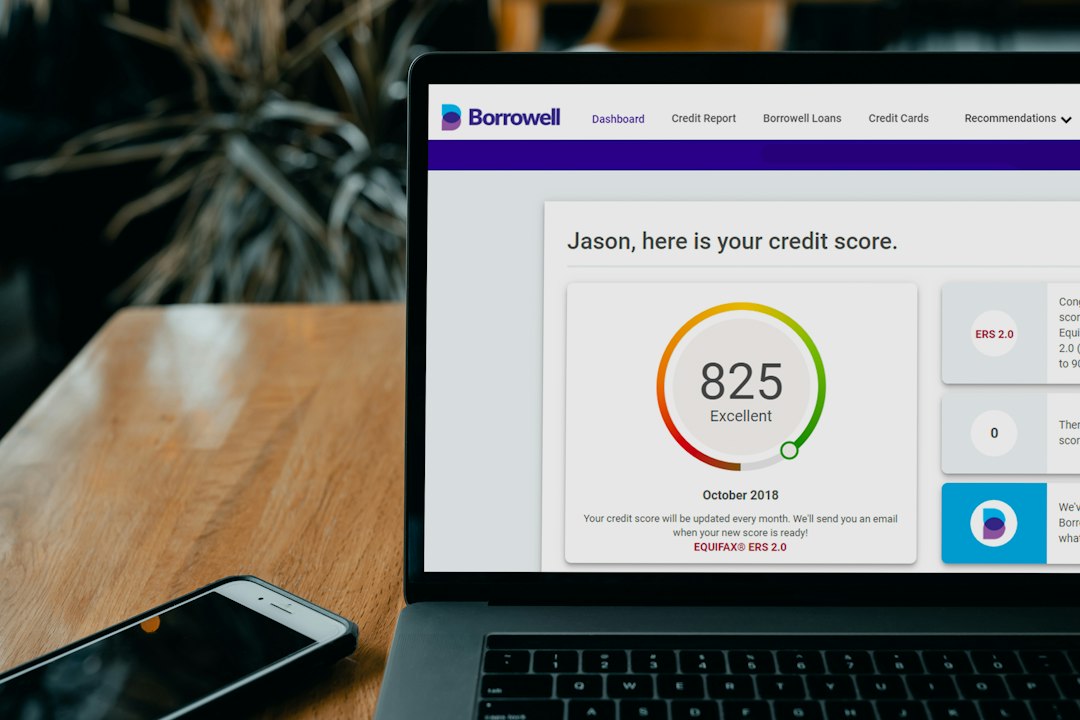
Starting a business is often a dream, but the reality of securing financing can be a daunting hurdle, especially when your personal credit history is not perfect. Many entrepreneurs believe that a low credit score is an automatic disqualifier for business loans, but this is a common misconception. While having a strong credit score certainly makes the approval process smoother and secures better interest rates, it does not mean the door is closed for everyone. With the right approach, understanding the nuances of lending, and demonstrating the viability of your business, you can still qualify for a business loan despite a less-than-perfect credit rating.
Understanding the Difference Between Personal and Business Credit
Before diving into loan options, it is crucial to understand how lenders view credit. In the United States, credit scores are generally categorized into two distinct types: personal credit and business credit. Personal credit scores, such as FICO or VantageScore, are based on your individual credit history, including your credit card usage, payment history, and past debts. This score reflects your personal financial responsibility and is often a primary factor for small business loans.
Business credit, on the other hand, is a separate entity. It reflects the creditworthiness of the business itself, based on its trade lines, payment history with suppliers, and credit inquiries. A business can build a credit score independently of its owner’s personal credit through the proper use of business credit cards, trade credit, and business loans. However, for many small business loans, especially those with lower loan amounts, lenders will heavily weigh your personal credit score because they are lending against your personal assets or guaranteeing the loan with your personal signature.
Assessing Your Current Financial Health
Before applying for any loan, you must conduct a thorough self-assessment. Lenders will scrutinize your financial health, and if your credit score is low, they will look for other compensating factors to mitigate their risk. These factors include your cash flow, time in business, and the amount of collateral you can offer.
- Cash Flow: This is often the most important metric for a lender. Even if your credit score is poor, a consistent and positive cash flow demonstrates that your business can generate enough revenue to repay the loan. Lenders will likely request your bank statements and profit and loss (P&L) statements for the last 12 to 24 months.
- Time in Business: New businesses are often normativa higher risk. Having been in operation for at least two years can significantly improve your chances of approval, even with a lower credit score. Lenders have seen your business survive economic downturns, which reduces their perceived risk.
- Collateral: Offering collateral, such as equipment, inventory, or real estate, can help secure a loan. If you default, the lender can seize the collateral to recover their losses. This reduces the lender’s risk, making them more willing to approve a loan with a lower credit score.
- Business Plan: A detailed, professional business plan shows that you have thought through your strategy, your market, and your repayment plan. It demonstrates that you are a serious borrower who understands the business landscape.
Exploring Loan Options for Bad Credit
Because traditional banks and credit unions are risk-averse, they often reject applications from borrowers with credit scores below 600. However, there are several alternative avenues available to entrepreneurs with bad credit.
Online Lenders and Alternative Lenders
Online lenders and alternative lenders use different underwriting criteria than traditional banks. They often rely more heavily on your cash flow, annual revenue, and time in business rather than just your credit score. These lenders are typically more willing to take on the risk associated with a lower credit score, knowing that your business generates enough revenue to cover the debt.
Keep in mind that the trade-off for this accessibility is often a higher interest rate. Because you are a higher-risk borrower, the cost of borrowing will be higher. Additionally, some online lenders may require a larger down payment or ask for personal guarantees. It is essential to shop around and compare rates, terms, and fees from multiple lenders before committing.
Microloans
Microloans are small loans, typically ranging from $500 to $50,000, often provided by non-profit organizations, community development financial institutions (CDFIs), or local governments. These organizations are often more focused on community building and helping small businesses get started or grow than traditional banks are. They are generally more lenient regarding credit scores and may offer more flexible repayment terms.
One of the best-known microloan programs in the United States is the Kiva platform, which connects borrowers with individual lenders worldwide. While the amounts are small, the interest rates are often lower than traditional bank loans, and the approval process is usually faster and less bureaucratic. Another option is the Small Business Development Center (SBDC), which offers training and resources to help you prepare for a loan application, and may have connections to local microloan lenders.
Business Credit Cards
Business credit cards are a popular alternative to business loans for those with bad credit. They allow you to borrow money up to a certain credit limit, which can be used for operating expenses, inventory, or marketing. Many business credit cards have lower credit score requirements than traditional business loans, often accepting scores in the 500s or 600s.
It is important to use these cards responsibly. If you miss payments or max out your credit limit, your personal credit score will suffer, making it even harder to get a loan in the future. Paying your balance in full every month is the best strategy to avoid interest charges and build a positive credit history.
Merchant Cash Advances (MCAs)
Merchant cash advances are a form of short-term financing that provides a lump sum of cash in exchange for a percentage of your future credit card sales. Unlike a loan, an MCA is not a debt in the traditional sense; instead, it is a purchase of future income. Because they are not a loan, they do not require a credit check, making them a viable option for those with no credit or very bad credit.
However, MCAs come with very high costs and can be difficult to repay. The fees are often calculated as a percentage of the total sales, which can add up quickly. If your business does not have a steady stream of credit card transactions, an MCA may not be a suitable option for you.
Co-Signers and Co-Investors
If you have a co-signer with a good credit score, they can help you qualify for a business loan. A co-signer is someone who agrees to take responsibility for the loan if you cannot repay it. If you default, the co-signer’s credit score will be damaged, and they will be responsible for the debt. Lenders are more likely to approve a loan with a co-signer because the risk is shared.
Co-investors are another option. A co-investor is someone who invests their own money in your business. By combining your capital with the co-investor’s capital, you increase the amount of equity in the business, which can make you a more attractive candidate for a loan. The co-investor has a financial stake in the business’s success, which aligns their interests with yours.
Steps to Improve Your Chances of Approval
Even if your credit score is currently low, you can take steps to improve your chances of approval and potentially secure a better loan in the future.
Check Your Credit Report
It is easy to have errors on your credit report that are dragging down your score. These errors can include incorrect late payments, accounts that don’t belong to you, or outdated information. Regularly checking your credit report and disputing any errors can help you improve your score over time. You can get a free copy of your credit report from the three major credit bureaus: Equifax, Experian, and TransUnion.
Pay Down Existing Debt
Reducing your credit utilization ratio is one of the fastest ways to improve your credit score. Your credit utilization ratio is the percentage of your available credit that you are currently using. If you have a credit card with a $10,000 limit and you are using $5,000, your utilization ratio is 50%. Lenders prefer to see a lower utilization ratio, ideally below 30%. Paying down your existing debt can significantly lower your utilization ratio and improve your score.
Establish Business Credit
As mentioned earlier, building a separate business credit profile can help you qualify for loans. Start by opening a business bank account and applying for a business credit card. Use the credit card responsibly, paying the balance in full each month. Over time, this positive payment history will be reported to the business credit bureaus, such as Dun & Bradstreet, Experian Business, and Equifax Business, helping to build your business credit score.
Consider a Business Line of Credit
Before applying for a large business loan, consider applying for a business line of credit. This allows you to borrow money up to a certain limit as needed, similar to a credit card. It is a less risky commitment for the lender and can be a stepping stone to a larger business loan. If you can manage the line of credit responsibly, it demonstrates to lenders that you are a low-risk borrower.
Understanding the Risks and Costs
It is important to approach debt with caution. Borrowing money with a bad credit score often comes with higher interest rates and fees. This means that the total cost of the loan will be higher than if you had a good credit score. For example, a loan with a 20% interest rate will cost you significantly more in interest over the life of the loan compared to a loan with a 5% interest rate.
Additionally, Repository Lenders may require you to pay a one-time fee upfront to cover the cost of the loan. This can be a significant amount of cash that you need to have available before you even receive the loan. It is crucial to read the fine print and understand all the terms and conditions of the loan before you sign.
Another risk is that the lender may require a personal guarantee. This means that you are personally liable for the loan. If your business fails to repay the loan, the lender can seize your personal assets, such as your home, car, or savings, to cover the debt. This is a serious risk that should be weighed carefully before applying for a loan.
Building a Strong Relationship with Your Bank
Even if your credit score is not perfect, you can still build a relationship with a traditional bank. Start by opening a business checking account and depositing your business funds there. Use the bank for your business transactions, such as paying rent, utilities, and suppliers. This shows the bank that you are a serious business owner and that you are using their services.
Over time, as you build a history of positive transactions with the bank, they may become more willing to lend to you. Additionally, having a dedicated business checking account can help you separate your personal and business finances, which is a key factor in building a strong business credit profile.
Conclusion
Qualifying for a business loan with bad credit is challenging but not impossible. It requires a strategic approach, a deep understanding of your financial situation, and a willingness to explore alternative financing options. By improving your credit score, building a strong business credit profile, and demonstrating the viability of your business, you can increase your chances of approval and secure the funding you need to grow your business.
Remember, every business is different, and what works for one entrepreneur may not work for another. It is important to shop around, compare offers, and choose the financing option that best fits your business’s needs and your risk tolerance. With patience and persistence, you can overcome the challenges of bad credit and build a successful financial future for your business.