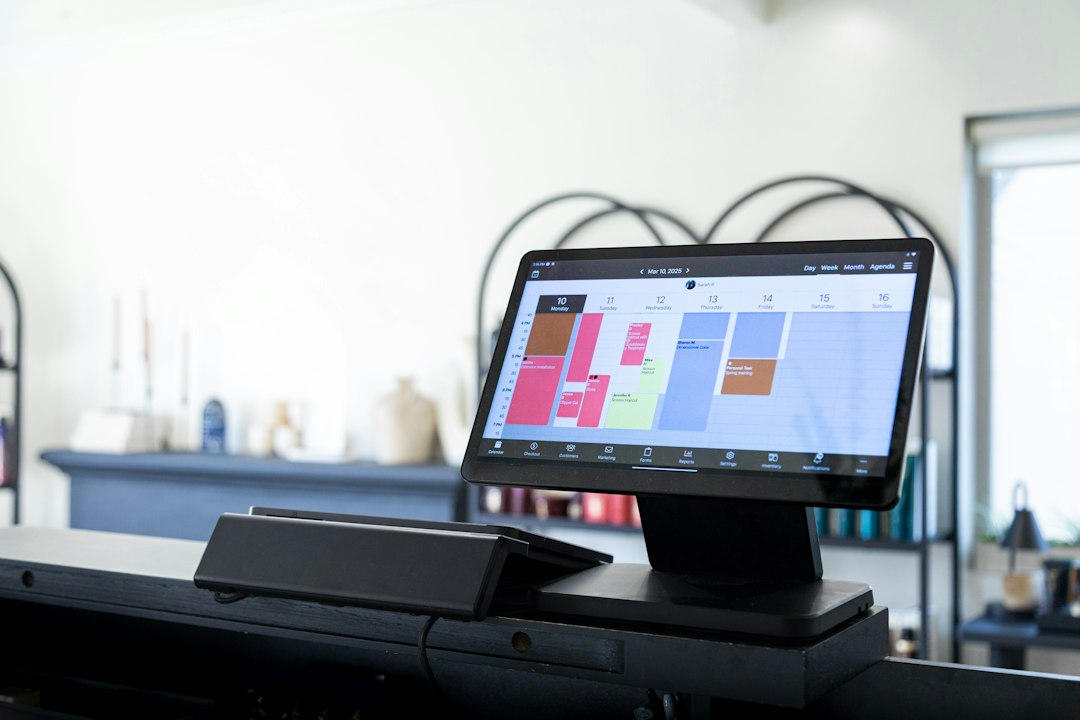
Running a small business often feels like juggling a dozen different balls, each one threatening to drop if you aren’t paying close attention. From managing inventory levels to processing payroll, handling customer inquiries, and ensuring compliance with local regulations, the operational demands can quickly overwhelm even the most dedicated entrepreneur. The traditional approach of managing every single task manually is not only瘙痒 (exhausting) but inherently limits the potential for growth. When a business owner is consumed by the daily grind, the business itself cannot scale effectively because there is no one left to oversee the expansion or innovate new strategies.
Why Manual Processes Are a Barrier to Growth
The reliance on manual processes is a common pain point for small businesses, yet it is often the primary reason they struggle to scale. When critical functions like invoicing, order tracking, or team的造型 (scheduling) are handled by hand, errors are inevitable. Human error in data entry can lead to billing discrepancies, delayed shipments, and unhappy customers. Furthermore, manual processes are time-consuming. If your team spends six hours a week manually reconciling spreadsheets, that is six hours of billable revenue lost forever. This time is not just money; it is opportunity cost that could have been spent on marketing, product development, or customer service.
As the business grows, the complexity of manual systems increases exponentially. What works for a team of five can become a logistical nightmare for a team of twenty. The lack of real-time data visibility makes it difficult to make informed decisions. You might be operating based on last month’s report, unaware of current trends or cash flow issues until it is too late. This lag in information flow creates a reactive rather than proactive business environment, where you are constantly putting out fires instead of building a fire-resistant structure.
Identifying the Right Opportunities for Automation
Before diving into automation, it is crucial to identify which processes are worth automating. Not every task requires a technological solution, and automating the wrong thing can lead to wasted resources and frustration. The best candidates for automation are those that are repetitive, rule-based, and high-volume. These are tasks that do not require human judgment or creativity but are prone to errors when done by hand.
Consider the following areas where small businesses often struggle:
- Customer Relationship Management (CRM): Manually updating customer contact details, tracking follow-up calls, or logging sales in a spreadsheet is a classic example of a process ripe for automation. A CRM system can automatically log interactions, send follow-up emails, and update sales records in real time.
- Accounting and Invoicing: Automating the generation of invoices, sending payment reminders, and reconciling accounts can significantly reduce the workload on the finance team. Software can integrate with your point-of-sale systems to pull data automatically, eliminating the need for manual data entry.
- Marketing and Communication: Email marketing campaigns, social media posting, and customer support chatbots can be automated. Tools can schedule posts in advance, segment audiences based on behavior, and send personalized messages based on triggers like a purchase or a website visit.
- Inventory Management: For businesses with physical products, automated inventory systems can track stock levels, reorder supplies when they hit a certain threshold, and even generate purchase orders for suppliers.
By focusing on these areas, you can free up your team to focus on high-value activities that require human touch, such as building relationships with clients, developing new products, or improving customer experience.
Choosing the Right Tools for Your Business
With a vast array of automation tools available, choosing the right ones can be daunting. The key is to start with a clear understanding of your business needs and goals. Do not try to solve every problem with a single, complex tool. Instead, look for software that is specialized, user-friendly, and integrates well with your existing ecosystem.
Integration is perhaps the most critical factor. Your new automation tool should be able to talk to your other software systems. For example, if you use a specific accounting software, ensure that your invoicing tool can sync with it. If you have an e-commerce store, your inventory management system should be able to update stock levels automatically when a sale is made. This creates a seamless flow of data, reducing the need for manual intervention and ensuring that your business information is always accurate and up to date.
When evaluating tools, consider the following:
- Cost vs. Value: Will the cost of the software and the time required to implement it be offset by the time and money saved in the long run? Calculate the return on investment (ROI) carefully.
- Scalability: Will the tool grow with your business? If you plan to expand significantly, ensure the software can handle increased volume and complexity.
- Ease of Use: Your team will be the ones using these tools daily. If the interface is clunky or difficult to learn, adoption will be low, and the automation will fail.
- Support and Reliability: Choose vendors with a strong reputation for customer support and system uptime. Downtime in your automation can disrupt your entire business operations.
Start small. Pilot a new tool with a specific team or department before rolling it out company-wide. This allows you to test the software, identify potential issues, and refine the process before committing to a larger investment.
Implementing Automation Without Losing the Human Touch
One of the biggest fears about automation is that it will replace human employees. While automation can certainly change the nature of work, it is not about replacing people; it is about empowering them. The goal should be to automate the boring stuff so that your team can focus on the creative and strategic aspects of their jobs.
When introducing automation, communication is key. Explain to your team why the change is happening and how it will benefit them. Highlight the reduction in repetitive tasks and the opportunity to take on more meaningful work. Involve your team in the selection process. They are the ones who know the pain points of the daily workflow best, and their input can lead to more effective solutions. This approach fosters a sense of ownership and reduces resistance to change.
Training is also essential. Even the most intuitive tools require a learning curve. Invest time in training your team on how to use the new systems effectively. Provide documentation, create tutorials, and offer support as they transition to the new workflow. Remember that automation does not eliminate the need for human oversight. In fact, it often requires a different kind of oversight. Someone needs to monitor the automated systems, check for errors, and ensure that the processes are running as intended.
Furthermore, maintain a human element in customer interactions. While chatbots and automated emails are great for handling routine inquiries, complex issues or high-touch clients still require human attention. Automate the initial response to gather information, but ensure a human follows up to resolve the issue. This balance ensures efficiency without sacrificing the personal connection that is often the hallmark of a successful small business.
Measuring Success and Iterating
Automation is not a one-time fix; it is an ongoing process. As your business evolves, so will your needs. Regularly review your automated processes to ensure they are still effective and efficient. Are there new bottlenecks that have emerged? Are there new tools that could further streamline operations? Be willing to iterate and improve your systems over time.
Establish metrics to measure the success of your automation efforts. How much time has been saved? Have errors decreased? Has customer satisfaction improved? Have revenue increased? By tracking these metrics, you can make data-driven decisions about where to invest further in automation and where to adjust your strategy.
Remember that the goal of automation is to create a more resilient and scalable business. By freeing up your team from the drudgery of manual tasks, you create a culture where innovation and growth can thrive. The technology you choose today should be a foundation for the success of your business tomorrow, allowing you to focus on what truly matters: delivering value to your customers and building a sustainable enterprise.
Embracing automation is a strategic decision that requires careful planning, the right tools, and a commitment to continuous improvement.laws of automation are not about replacing the human element but about enhancing it. By building a scalable system that leverages technology, you can overcome the limitations of manual processes and position your small business for long-term success. The journey to a more efficient operation starts with a single step, and with the right approach, that step can lead to a future where your business runs smoothly, allowing you to enjoy the rewards of your hard work.