
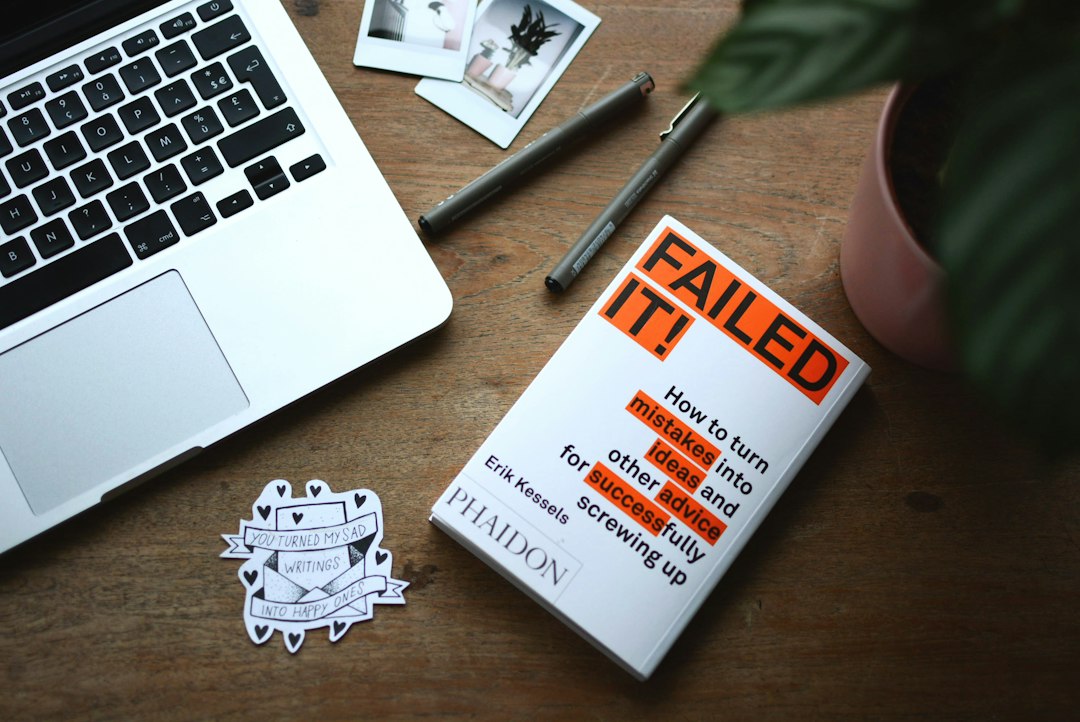
Many entrepreneurs approach business planning as a static document, a one-time exercise intended to be filed away once a year. This mindset is the primary reason so many ventures fail to survive their first five years. A rigid plan assumes a future that is impossible to predict, locking the business into a path that may have become irrelevant by theMBER the next quarter. To build a sustainable enterprise, you must shift your perspective from creating a fixed blueprint to developing a flexible horizon. This approach treats the business plan not as a contract with the past, but as a dynamic navigation system for the future.
The Danger of Static Planning
The traditional five-year business plan often suffers from a fundamental flaw: it relies on static assumptions about a dynamic market. When a founder writes down revenue projections for the next five years based on current market conditions, they are inadvertently betting on a world that does not exist. Markets shift, consumer preferences change, and technology evolves at a pace that renders long-term forecasts obsolete within months.
When a business plan is too rigid, itさえ becomes a source of weakness rather than a guide. If a startup is funded based on a projection that assumes a specific product launch will dominate the market, and that launch fails or is delayed, the entire financial structure of the business crumbles. The business owner is then forced to make difficult decisions based on a plan that no longer reflects reality, often leading to panic, unnecessary cost-cutting, or a desperate scramble for emergency capital that was never intended for the business model.
Building a Dynamic Framework
Instead of a rigid five-year roadmap, consider adopting a framework of rolling horizons. This method involves setting a detailed, fixed plan for the immediate future—typically the next six to twelve months—and a high-level, adaptable direction for the medium and long term. This distinction allows the business to maintain focus on executable actions while remaining agile enough to pivot when necessary.
For the immediate horizon, the plan should be granular. It should detail specific marketing campaigns, hiring schedules, and operational workflows. These are the levers you can pull today to drive growth. For the medium and long-term horizons, the focus shifts to strategic themes and key performance indicators (KPIs) rather than specific line items. This allows the business to respond to emerging trends without being tethered to a specific product launch that might miss the market window.
Implementing Quarterly Reviews
The engine of this flexible approach is the quarterly review. Treat the business plan as a living document that is updated regularly. At the end of each quarter, compare the actual performance against the plan. This is not about assigning blame for missing a target, but about understanding the “why” behind the variance.
Did珍品 revenue fall short because customer acquisition costs rose, or because the product failed to meet quality standards? Did expenses exceed projections because of a one-time equipment purchase, or because of a structural inefficiency? By analyzing these variances, you can adjust the next quarter’s plan with greater accuracy. This iterative process turns the business plan into a feedback loop, constantly refining the strategy based on real-world data.
Scenario Planning for Uncertainty
A truly flexible horizon incorporates scenario planning into the core of the business strategy. Instead of preparing for one single future, prepare for three distinct possibilities: the base case, the optimistic case, and the pessimistic case.
The base case represents your most likely expectation, based on current market trends and historical data. The optimistic case assumes favorable conditions, such as a sudden spike in demand or a successful partnership. The pessimistic case assumes adverse conditions, such as a supply chain disruption, a recession, or a competitor’s aggressive pricing strategy.
By developing a financial model and operational plan for each of these scenarios, you can identify the risks that threaten your business and the opportunities that could accelerate it. For instance, if the pessimistic scenario reveals a cash flow crunch in a specific month, you can arrange a credit line in advance to mitigate that risk. If the optimistic scenario suggests a capacity bottleneck, you can secure additional manufacturing space early. This proactive approach to uncertainty allows the business to withstand shocks and capitalize on opportunities without being blindsided.
Resource Allocation and the Pivot
Resource allocation is the most critical component of a flexible business plan. In a rigid model, resources are often locked into long-term commitments that cannot be easily changed. In a flexible model, resources are allocated to the most critical short-term activities that drive the business forward, with a portion of the budget reserved for strategic experimentation.
Consider the concept of the “pivot.” A pivot is a structured change in the business strategy based on validated learning. This is not a panicked reaction to failure, but a deliberate decision to change direction when the current strategy is not yielding the expected results. For example, a software company might initially plan to sell a subscription model. If data shows that customers prefer a one-time purchase model, the company can pivot its strategy to match customer demand, reallocating its resources to the new model.
However, a pivot should only be undertaken after sufficient evidence has been gathered. Blindly changing direction without data can lead to wasted resources and confusion. The key is to run small, low-cost experiments to test hypotheses before committing significant capital. This approach minimizes risk and allows the business to find the right path through trial and error.
Adapting to Market Shifts
The external environment is constantly changing, and a flexible business plan must be designed to adapt to these shifts. This means staying attuned to market trends, competitor actions, and technological advancements. Regularly scanning the horizon for signals of change allows the business to anticipate disruptions rather than reacting to them.
For example, the rise of e-commerce has fundamentally changed the retail landscape. A traditional brick-and-mortar store that is not prepared to integrate online sales channels may find itself losing market share to competitors who offer the convenience of home delivery. A flexible business plan would have included a roadmap for digital transformation, allowing the business to adapt its operations and customer experience to the changing market.
Similarly, the rise of remote work has transformed the talent market. A business that relies on a traditional office-based model may find it difficult to attract top talent in a competitive market. A flexible plan would have considered the implications of remote work, allowing the business to hire talent from anywhere in the world, not just the local area.
Communicating the Flexible Plan
One of the challenges of a flexible business plan is that it can be difficult to communicate to stakeholders, such as investors, lenders, and employees. These stakeholders often prefer a clear, fixed roadmap to feel confident in their support. However, a rigid plan can be misleading, and a flexible plan can be seen as a sign of indecision.
To address this, the business owner must clearly articulate the logic behind the flexible approach. Explain that the plan is designed to be adaptive, based on real-time data and market conditions. Emphasize that the business is committed to a specific vision, but recognizes that the path to that vision may need to evolve as the business learns and grows.
For investors, highlight the risk management strategies built into the plan, such as scenario planning and cash flow reserves. Show that the business is prepared for a range of outcomes, not just a single best-case scenario. This demonstrates a mature understanding of the business environment and a commitment to capital preservation.
Conclusion
The journey to building a successful business is rarely a straight line. It is a journey of exploration, learning, and adaptation. By adopting a flexible horizon, you equip your business with the tools to navigate this journey with confidence and resilience. Instead of being trapped by a rigid plan, you can respond to the changing world with agility and purpose.
Remember that the goal of a business plan is not to predict the future, but to prepare for it. By building a plan that is dynamic, data-driven, and adaptable, you create a foundation for sustainable growth that can withstand the uncertainties of the marketplace. As you move forward, keep your eyes on the horizon, but keep your feet firmly on the ground, ready to adjust your course as you go.
Start by reviewing your current business plan. Identify the areas that are rigid and the assumptions that may no longer hold true. Develop a strategy for updating the plan on a regular basis, perhaps quarterly or even monthly. Involve your team in the process, gathering their insights and feedback to inform the next steps. By embracing flexibility, you transform your business plan from a document that gathers dust into a living engine that drives your business forward.